Vitamin C, also known as ascorbic acid, is essential for collagen synthesis, immune function, and antioxidant protection. Deficiency, if prolonged, leads to scurvy, a condition with hallmark symptoms like fatigue, bleeding gums, and corkscrew hairs.
What Is Vitamin C Deficiency?
Vitamin C deficiency occurs when the body lacks sufficient ascorbic acid, typically after 4-12 weeks of inadequate intake. It impairs collagen production, weakening connective tissues and blood vessels. This nutrient is water-soluble and not stored long-term, requiring daily consumption through diet.
Historically linked to sailors on long voyages without fresh produce, scurvy now affects those with poor diets, malabsorption issues, or limited fruit/vegetable access. Risk groups include smokers, alcoholics, elderly, and individuals with food insecurity.
Symptoms of Vitamin C Deficiency
Symptoms progress from nonspecific early signs to severe manifestations in scurvy. Early detection is crucial as most reverse with treatment.
Early Symptoms
- Fatigue and malaise: Persistent tiredness and weakness appear first, often within weeks of deficiency.
- Muscle and joint pain: Aching body, legs, and joints due to weakened tissues.
- Anorexia and weight changes: Reduced appetite may lead to unexplained weight gain from slowed metabolism.
Skin and Hair Changes
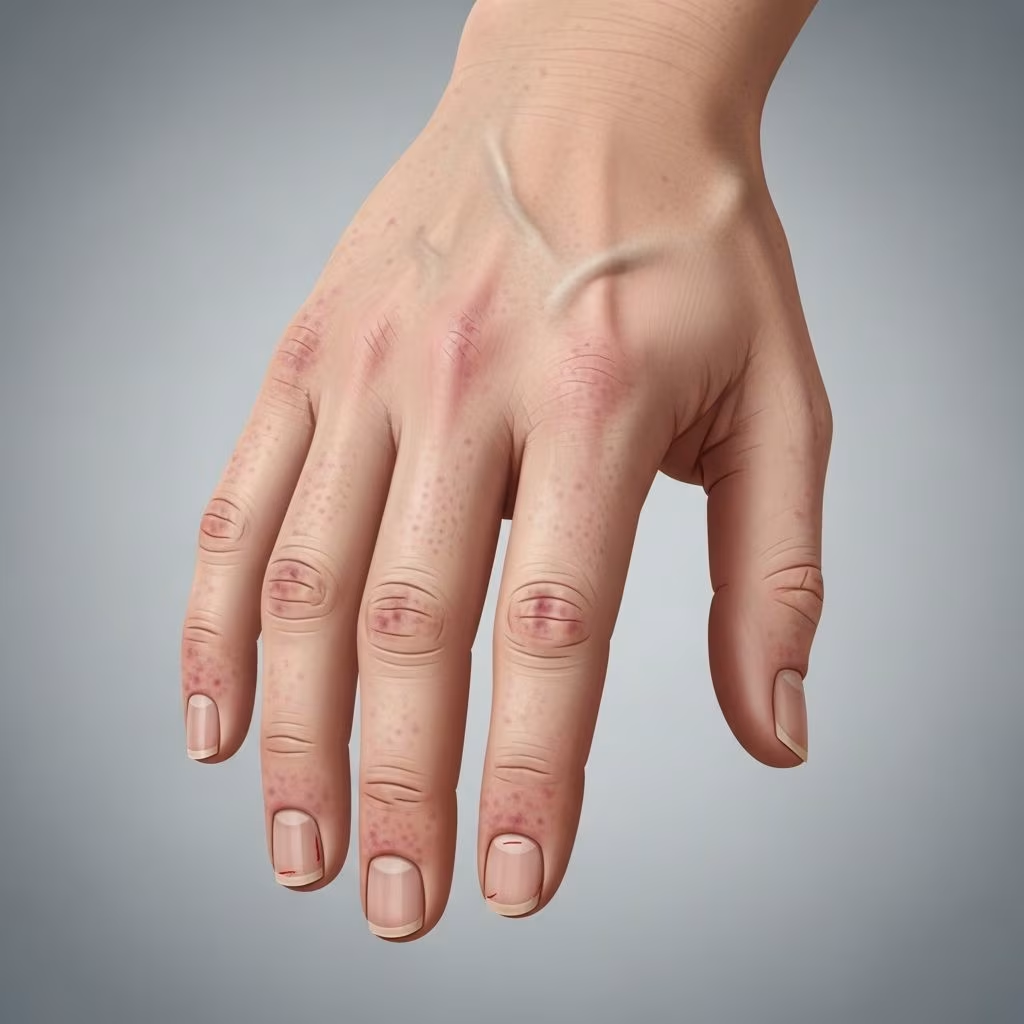
- Rough, bumpy skin (hyperkeratosis): Small, acne-like bumps on arms, thighs, or buttocks from follicular keratin plugs.
- Corkscrew hairs: Twisted, coiled hairs pathognomonic for scurvy, resulting from defective collagen around follicles.
- Easy bruising and petechiae: Small red/purple spots from capillary fragility; perifollicular hemorrhages common.
- Poor wound healing: Wounds heal slowly due to collagen deficit.
Oral and Gum Issues
- Bleeding gums and gingivitis: Swollen, inflamed gums that bleed easily; progresses to tooth loss.
- Loose teeth: Periodontal disease weakens tooth support.
Advanced Scurvy Symptoms
- Bleeding under skin (ecchymoses): Large bruises and purpura from vessel rupture.
- Joint swelling and pain: Internal bleeding causes painful effusions.
- Anemia: Iron deficiency from poor absorption and micro-bleeds.
- Impaired immunity: Frequent infections due to weakened defenses.
- Severe complications: Jaundice, dyspnea, seizures, organ failure, or death if untreated.
Causes and Risk Factors
Primary cause is low dietary intake of vitamin C-rich foods like citrus, berries, peppers, and broccoli. Cooking reduces content, especially boiling.
| Risk Factor | Description |
|---|---|
| Poor diet | Low fruit/vegetable consumption, food insecurity. |
| Malabsorption | Crohn’s, celiac, dialysis, cancer. |
| Lifestyle | Smoking (destroys vitamin C), alcohol abuse. |
| Other | Elderly, infants on boiled milk, socioeconomic factors. |
Diagnosis
Diagnosis combines history, physical exam, and tests. Serum vitamin C <0.2 mg/dL confirms severe deficiency; leukocyte levels more accurate. Skin biopsy shows follicular changes, corkscrew hairs. Rule out other causes like medications or comorbidities.
Treatment
Treatment involves high-dose vitamin C supplementation: 500-1000 mg/day for adults, 300 mg for children. Fatigue improves in 24 hours; gums/bruising in 1-2 weeks; full recovery in 1-3 months.
- Dietary changes: Emphasize fresh fruits/vegetables.
- Supplements: Continue until symptoms resolve; address underlying issues.
- Monitoring: Repeat levels and exams.
Severe cases may need IV vitamin C or dental/surgical intervention.
Prevention
Meet RDA: 75-90 mg/day adults (more for smokers/pregnant). Include vitamin C foods daily; supplements if diet insufficient.
- Citrus fruits, strawberries, kiwi.
- Bell peppers, broccoli, tomatoes.
- Steam or microwave to preserve content.
Public health efforts target at-risk groups with education and access programs.
Frequently Asked Questions (FAQs)
What are the first signs of vitamin C deficiency?
Early signs include fatigue, malaise, muscle aches, and easy bruising.
Can vitamin C deficiency cause hair loss?
Yes, via corkscrew hairs, alopecia from follicular damage.
How long does it take for scurvy to develop?
Typically 4-12 weeks of inadequate intake.
Is scurvy reversible?
Yes, most symptoms resolve within weeks of vitamin C treatment.
Who is at highest risk for vitamin C deficiency?
Those with poor diets, malabsorption, smokers, elderly, or food insecurity.
Do supplements cure scurvy?
High-dose supplements (500-1000 mg/day) rapidly improve symptoms.
This comprehensive guide highlights the preventable nature of vitamin C deficiency. Consult a healthcare provider for personalized advice.
References
- Vitamin C Deficiency – StatPearls — NCBI Bookshelf. 2023. https://www.ncbi.nlm.nih.gov/books/NBK493187/
- Vitamin C deficiency: Causes, treatment, and prevention — Medical News Today. 2023. https://www.medicalnewstoday.com/articles/vitamin-c-deficiency
- Vitamin C: MedlinePlus Medical Encyclopedia — MedlinePlus. 2024. https://medlineplus.gov/ency/article/002404.htm
- 15 Signs and Symptoms of Vitamin C Deficiency — Healthline. 2023. https://www.healthline.com/nutrition/vitamin-c-deficiency-symptoms
- Scurvy: Symptoms, Causes & Treatment — Cleveland Clinic. 2023. https://my.clevelandclinic.org/health/diseases/24318-scurvy
- Vitamin C deficiency — healthdirect. 2024. https://www.healthdirect.gov.au/vitamin-c-deficiency