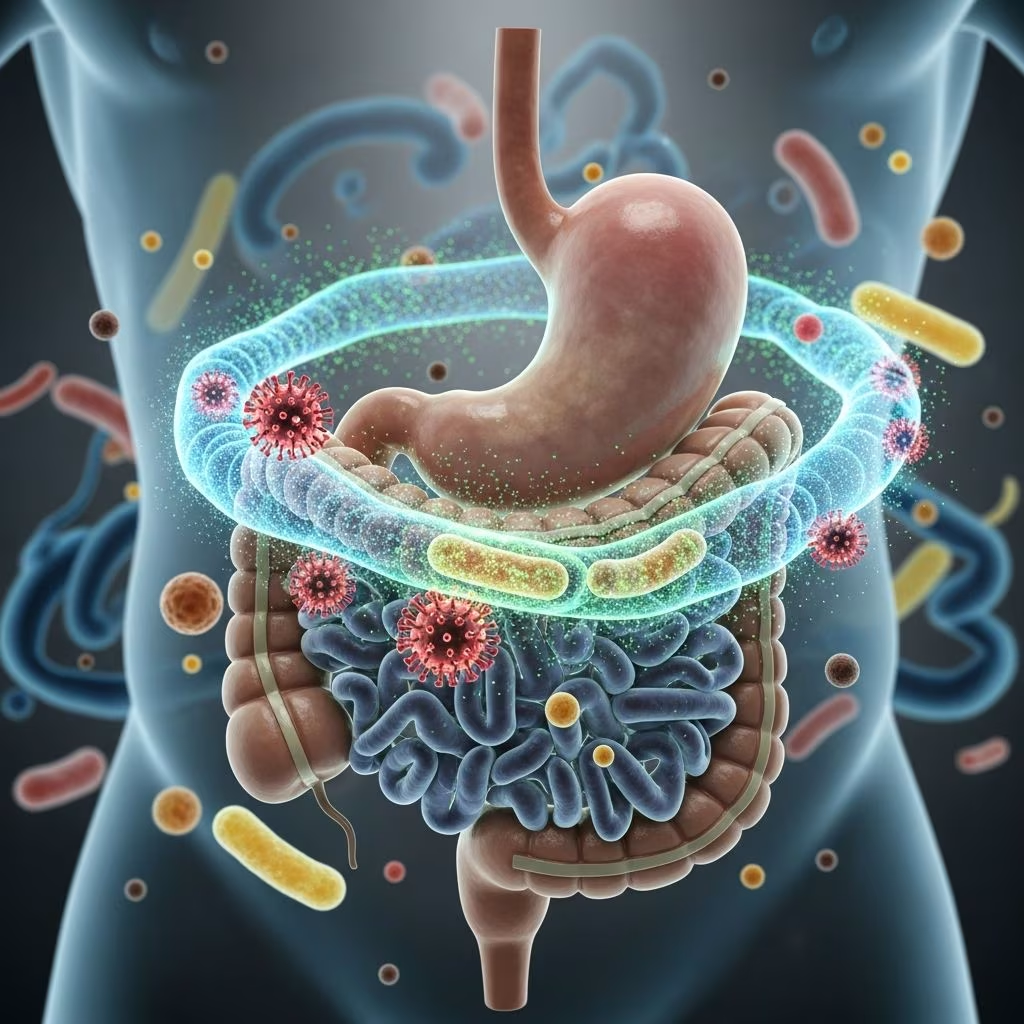
COVID-19 infection often disrupts the gut microbiome, leading to dysbiosis that can prolong symptoms and weaken immunity. Restoring gut health through targeted nutrition accelerates recovery and supports overall well-being.
How COVID Affects Your Gut
SARS-CoV-2 binds to ACE2 receptors abundant in the gastrointestinal tract, causing direct damage and altering the gut microbiome composition. Studies show COVID patients exhibit depletion of beneficial bacteria like Bifidobacterium, Faecalibacterium, and Roseburia, while harmful genera such as Bacteroides, Streptococcus, and Clostridium increase, correlating with disease severity.
This dysbiosis triggers inflammation, gastrointestinal symptoms like diarrhea, nausea, and abdominal pain, and impairs immune function. Antibiotics used in treatment exacerbate the imbalance, raising secondary infection risks. Research links gut microbiota changes to elevated cytokines and prolonged recovery in long COVID cases.
Why Gut Health Matters After COVID
The gut microbiome regulates 70-80% of the immune system via short-chain fatty acids (SCFAs) produced from fiber fermentation. Post-COVID dysbiosis reduces SCFA levels, heightening inflammation and vulnerability to infections. Restoring microbial diversity enhances barrier function, reduces translocation of pathogens, and promotes anti-viral immunity.
A balanced microbiome also aids nutrient absorption, energy metabolism, and mental health, crucial during recovery when fatigue and muscle loss are common. Personalized nutrition targeting dysbiosis can mitigate long-term effects.
Foods to Eat to Heal Your Gut After COVID
Prioritize whole foods rich in prebiotics, probiotics, and anti-inflammatory compounds to repopulate beneficial bacteria and produce SCFAs.
- Fiber-rich produce: Aim for 25-38g daily from vegetables (broccoli, leafy greens), fruits (berries, apples), legumes (beans, lentils), and whole grains (oats, barley). These feed Bifidobacterium and Faecalibacterium.
- Fermented foods: Yogurt, kefir, kimchi, sauerkraut, and miso introduce live cultures gradually, supporting recolonization without overwhelming the ecosystem.
- Polyphenol sources: Garlic, onions, green tea, and dark chocolate act as prebiotics, fostering microbial diversity.
- Omega-3 rich foods: Fatty fish (salmon), walnuts, flaxseeds reduce post-COVID inflammation.
- Protein for repair: Lean meats, eggs, dairy, and plant proteins rebuild muscle while supporting gut integrity.
Incorporate a “colorful plate” with diverse plants to maximize microbial variety—target 30+ plant types weekly.
Sample Gut-Healing Meal Plan
| Meal | Foods | Key Benefits |
|---|---|---|
| Breakfast | Oatmeal with berries, kefir, chia seeds | Prebiotic fiber, probiotics, omega-3s |
| Lunch | Quinoa salad with greens, chickpeas, olive oil dressing | Fiber, plant protein, polyphenols |
| Snack | Yogurt with nuts and apple slices | Probiotics, prebiotics |
| Dinner | Grilled salmon, broccoli, sweet potato | Omega-3s, fiber, anti-inflammatory |
| Hydration | 6-8 glasses water, herbal tea | Supports digestion, microbiome |
This plan provides balanced macros, emphasizing gut-supportive foods for steady recovery.
Probiotics and Prebiotics: Do They Help?
Probiotics (live beneficial bacteria) alleviate COVID-related gut symptoms like nausea and boost diversity, especially in elderly or comorbid patients. Strains like Lactobacillus and Bifidobacterium reduce inflammation and prevent dysbiosis from antibiotics.
Prebiotics (fibers feeding good bacteria) from foods outperform supplements by delivering SCFAs naturally. Whole foods introduce microbes gradually, avoiding delays in recovery seen with high-dose probiotics.
Evidence supports probiotics for mild-moderate COVID to counter antibiotic effects, per WHO guidelines avoiding routine antibiotics. Consult a doctor before supplements.
Lifestyle Tips to Support Gut Recovery
- Hydrate adequately: 6-8 glasses of water daily aids motility and microbial balance.
- Eat regularly: Scheduled meals prevent muscle breakdown and stabilize blood sugar.
- Exercise moderately: Walking promotes gut motility; pair with protein for strength regain.
- Manage stress: Meditation supports vagus nerve-gut axis, reducing dysbiosis.
- Avoid triggers: Limit processed foods, sugars, and excessive alcohol that harm microbes.
Supplements to Consider (With Caution)
Food-first approach is best, but targeted supplements may help:
- Vitamin D: Up to 2000 IU/day if deficient; supports immunity without excess risk.
- Omega-3s: 1-2g EPA/DHA from fish oil for inflammation.
- Probiotics: Multi-strain with 10-20 billion CFUs, but prefer fermented foods.
Avoid self-prescribing; test microbiome if possible.
Common Mistakes to Avoid
- Over-relying on probiotic pills, which may delay natural recovery.
- Ignoring hydration and fiber, worsening constipation.
- Crash dieting; steady, nutrient-dense eating rebuilds strength.
- Neglecting diversity; monotony starves beneficial bacteria.
Frequently Asked Questions (FAQs)
How long does it take for gut to recover after COVID?
Typically 2-4 weeks with diet, but long COVID may take months. Consistent fiber and ferments speed it up.
Are probiotics safe post-COVID?
Yes, for most, but food sources are preferable. Those with severe illness should consult physicians.
Can diet prevent long COVID gut issues?
Diverse, fiber-rich diets pre- and post-infection reduce severity by maintaining microbiome resilience.
What if I have persistent GI symptoms?
Seek gastroenterologist; may indicate dysbiosis needing testing.
Does hydration matter for gut health?
Essential—dehydration slows motility, allowing toxin buildup.
Protecting your gut post-COVID involves a multifaceted approach centered on diverse, whole foods. By feeding beneficial microbes and reducing inflammation, you pave the way for robust immunity and vitality.
References
- Functional Foods: A Promising Strategy for Restoring Gut Microbiota… — PMC/NCBI. 2023-05-29. https://pmc.ncbi.nlm.nih.gov/articles/PMC10255361/
- Eating well after illness: COVID recovery — YouTube (NHS). 2022. https://www.youtube.com/watch?v=-NjMNhIb7K0
- COVID and Nutrition — Gastrointestinal Society (badgut.org). 2023. https://badgut.org/covid-19/nutrition-and-covid-19/
- Repair your gut slowly with whole foods — UCLA Health. 2023-08-15. https://www.uclahealth.org/news/article/repair-your-gut-slowly-with-whole-foods
- Eating Well to Regain Strength after Having COVID-19 — Hospital for Special Surgery (HSS). 2023. https://www.hss.edu/health-library/conditions-and-treatments/eating-well-regain-your-strength-after-covid-19
- Long Covid and diet — British Dietetic Association (BDA). 2024-01-10. https://www.bda.uk.com/resource/long-covid-and-diet.html